Migration and population advisory services and commentary
About
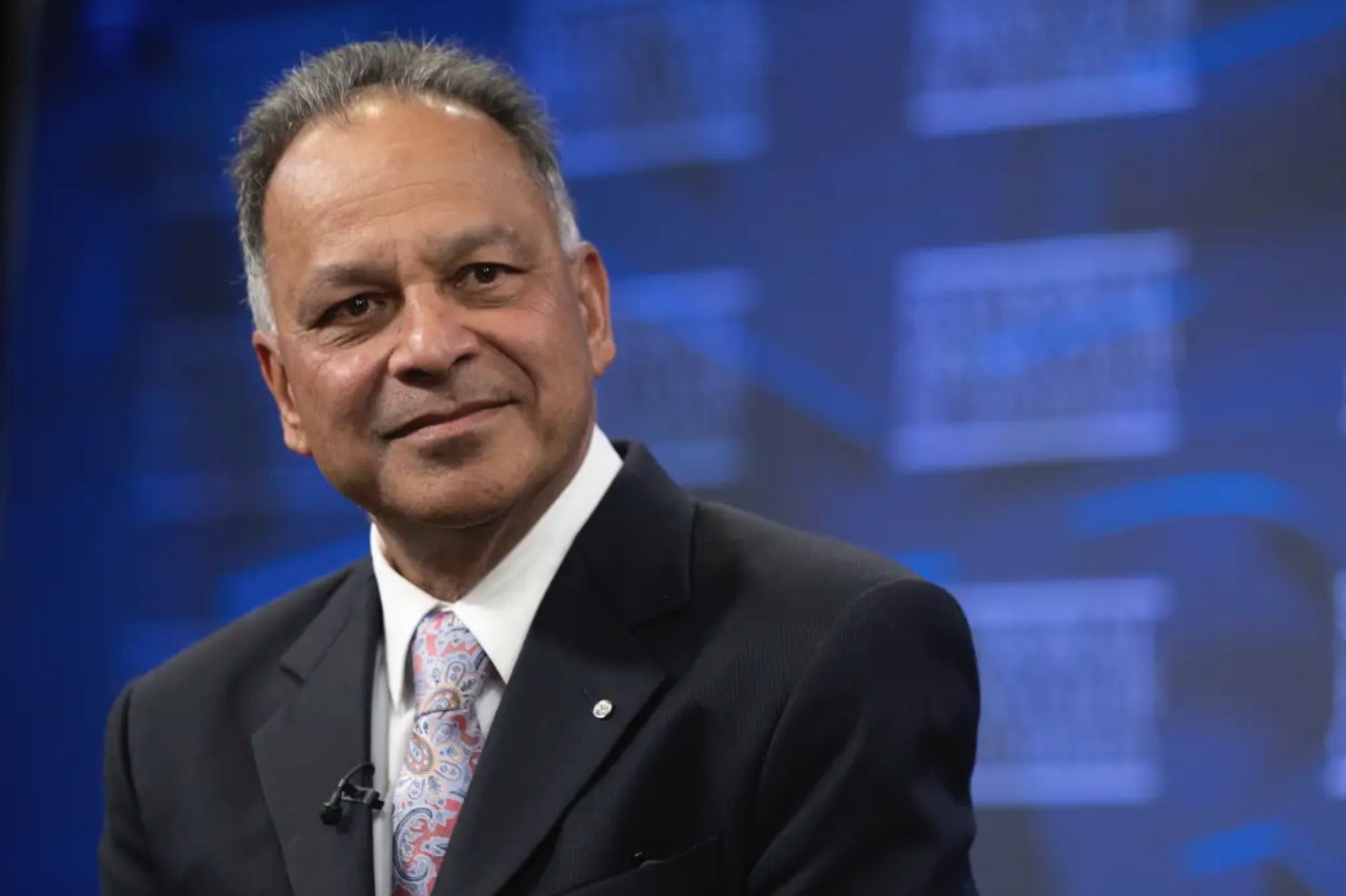
Dr Abul Rizvi is a former Deputy Secretary of the Department of Immigration. He was awarded the Public Service Medal and the Centenary Medal for services to the development and implementation of immigration policy. Abul is the author of Population Shock (2021, Monash University Press) and is a regular media commentator on Australian population and immigration matters.
Media inquiries and advisory services
Abul provides expert commentary on Australian immigration and population policy, and delivers public lectures and remarks on these same topics. He is not a registered migration agent and does not provide advice on individual visa matters.
Areas of Interest
Global population aging
Long-term population directions, in terms of both size and age composition, drive the destiny of all nations. While for decades we have worried about global overpopulation, it is far more likely that the period 1950–2050 will be an extraordinary population growth shock, culminating in severe population ageing and then decline. How nations manage this transition will be crucial to their future.
Australia’s migration program
Australia has a planned migration program. Abul was responsible for managing this program from 1995 to 2007. That included the re-balancing of the program towards the skill stream and better targeting of permanent and temporary visas to Australia’s national interest. Abul was the Chair of the Commonwealth/State Working Party on Skilled Migration for over a decade leading to development of a range of visas to assist state governments target the skills they need.
Overseas student program
Abul had responsibility for design and delivery of overseas student visas from 1998 to 2007. This included transitioning from the highly restrictive gazetted versus non-gazetted source country regime to a more granular risk rating system that enabled the International Industry to grow after a decade of little to no growth. The changes included introduction of clearer pathways to skilled migration for overseas students with Australian qualifications.